
Technology companies are an important part of the modern economy. They develop software, hardware, digital platforms, cloud infrastructure, artificial intelligence systems, online services, and other products that help people and businesses work more efficiently.
However, not every technology company operates in the same way. A software-as-a-service company has a very different business model from a semiconductor manufacturer, while a fintech platform operates differently from a cybersecurity provider.
Understanding the different types of technology businesses makes it easier to understand how the technology industry works, what products these companies create, and how they generate revenue.
For a broader look at major companies across the global technology industry, see our guide to top technology companies in the world.
What Is a Technology Company?
A technology company is a business that develops, provides, or operates products and services based primarily on technology.
Technology can be the company’s main product or the infrastructure that supports its services. For example, a software company may sell applications directly to customers, while a cloud provider supplies computing infrastructure that other businesses use to run their applications.
Technology companies can operate in areas such as:
- Software
- Hardware
- Cloud computing
- Artificial intelligence
- Semiconductors
- Cybersecurity
- Fintech
- E-commerce
- Social media
- Telecommunications
- Gaming
- Enterprise technology
Some companies focus on one category, while large technology businesses may operate across several sectors.
Main Types of Technology Companies
The technology industry includes many different types of businesses. The following categories represent some of the most important ones.
Software Companies
Software companies develop applications and digital programs that run on computers, smartphones, servers, and other devices.
Software can be designed for consumers, businesses, developers, governments, or specific industries.
Examples include:
- Productivity applications
- Accounting software
- Design software
- Project management tools
- Business applications
- Operating systems
- Developer tools
Microsoft, Adobe, Salesforce, and many smaller software companies operate in different areas of the software industry.
Software businesses often have relatively scalable products because the same digital product can be distributed to many customers without manufacturing a physical unit for every sale.
SaaS Companies
Software as a Service, commonly called SaaS, is a business model where customers access software through the internet, usually through a subscription or recurring payment.
Instead of purchasing software once and installing it permanently, customers typically access a hosted service.
Examples of SaaS products include:
- CRM platforms
- Collaboration tools
- Accounting systems
- Marketing software
- Project management platforms
- Human resources software
- Communication tools
SaaS businesses can serve individuals, small businesses, or large enterprises.
Recurring subscriptions can also make revenue more predictable when customers continue using the service.
Hardware Companies
Hardware technology companies develop physical electronic products.
These businesses may design, manufacture, or sell devices such as:
- Smartphones
- Laptops
- Tablets
- Servers
- Monitors
- Smartwatches
- Networking equipment
- Consumer electronics
Apple, Samsung, Lenovo, Dell, and Sony are examples of companies with significant hardware businesses.
Hardware companies often need supply chains, manufacturing facilities, component suppliers, logistics networks, and retail or distribution channels.
Semiconductor Companies
Semiconductor companies develop or manufacture chips used in electronic devices and computing systems.
Semiconductors are essential components of modern technology. They are used in smartphones, computers, automobiles, servers, networking equipment, industrial systems, and artificial intelligence infrastructure.
The semiconductor industry includes different types of businesses.
Some companies design chips, while others manufacture them. Some specialize in memory, graphics processors, networking chips, or other specialized components.
Examples of major semiconductor businesses include NVIDIA, Intel, AMD, Broadcom, and TSMC.
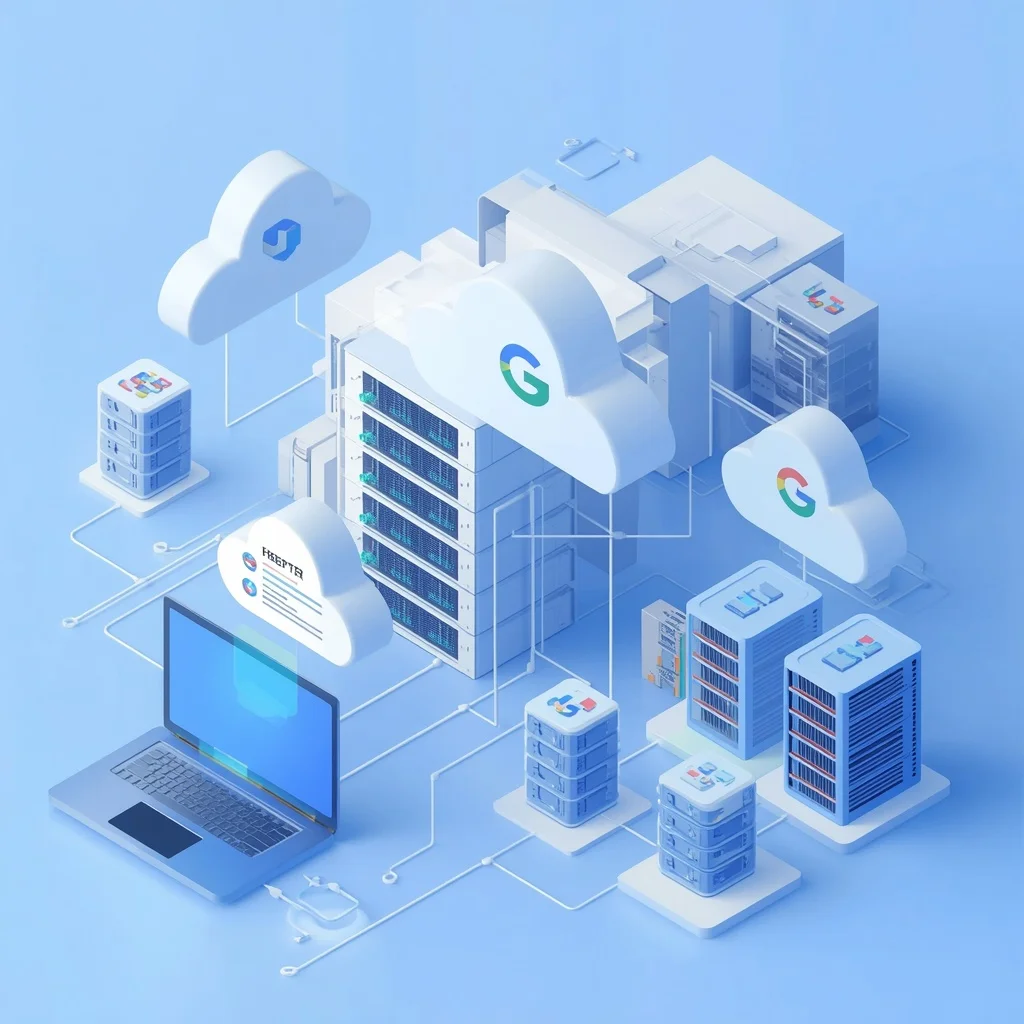
Cloud Computing Companies
Cloud computing companies provide computing resources and services through internet-based infrastructure.
Instead of purchasing and maintaining all their own servers, organizations can use cloud services for:
- Computing
- Storage
- Databases
- Networking
- Backup
- Analytics
- Artificial intelligence
- Application hosting
Amazon Web Services, Microsoft Azure, and Google Cloud are major examples of cloud computing platforms.
Cloud technology supports many other technology businesses because applications and online services often depend on cloud infrastructure.
Artificial Intelligence Companies
Artificial intelligence companies develop technologies that allow software systems to perform tasks involving learning, prediction, language, image recognition, generation, automation, or decision support.
AI businesses can focus on different parts of the technology stack.
For example, one company may develop AI models, another may provide AI computing infrastructure, and another may build a specialized AI application for businesses.
Common AI business areas include:
- Generative AI
- Machine learning
- Computer vision
- Natural language processing
- AI automation
- AI assistants
- AI infrastructure
- Robotics
AI technology is increasingly being incorporated into existing software products as well as new standalone services.
Cybersecurity Companies
Cybersecurity companies help organizations protect computers, networks, applications, identities, and data from digital threats.
Their products can include:
- Antivirus software
- Endpoint security
- Network security
- Cloud security
- Identity management
- Password management
- Threat detection
- Security monitoring
- Vulnerability management
Cybersecurity is important for businesses of every size because companies increasingly depend on internet-connected systems and digital data.
Fintech Companies
Financial technology, or fintech, combines financial services with software and digital infrastructure.
Fintech companies can provide services for consumers, businesses, banks, merchants, and financial institutions.
Common fintech areas include:
- Online payments
- Digital banking
- Mobile wallets
- Financial management
- Lending platforms
- Investment applications
- Fraud detection
- Payment processing
Companies such as Stripe demonstrate how technology can become infrastructure for online commerce.
E-Commerce Technology Companies
E-commerce technology businesses provide platforms and tools that enable online buying and selling.
Some companies operate online marketplaces directly, while others provide software that merchants use to create and manage their own online stores.
E-commerce technology can include:
- Online storefronts
- Shopping carts
- Payment systems
- Inventory management
- Product search
- Recommendation systems
- Order management
- Delivery technology
The sector combines software, payments, logistics, marketing, data, and customer experience technology.
Social Media Companies
Social media companies operate platforms where users create content, communicate, follow accounts, and participate in online communities.
Examples of social platform features include:
- Messaging
- Video sharing
- Photos
- Live streaming
- Online communities
- Content recommendations
- Advertising
Social media companies often generate revenue through advertising, subscriptions, premium services, or other commercial products.
Search and Online Advertising Companies
Search technology companies help users discover information, websites, products, businesses, and other content online.
Search platforms can generate revenue through advertising displayed alongside search results or other digital content.
Online advertising technology also includes tools that help businesses create, target, measure, and optimize digital advertising campaigns.
Google is a major example of a company operating across search, advertising, cloud computing, software, and other technology areas.
Gaming Technology Companies
Gaming companies develop video games, gaming platforms, hardware, software, and related digital services.
The gaming industry includes:
- Game development studios
- Console manufacturers
- PC gaming companies
- Mobile gaming businesses
- Game distribution platforms
- Online gaming services
- Gaming hardware companies
Gaming businesses can earn revenue through game purchases, subscriptions, downloadable content, advertising, virtual items, and other models.
Developer Tool Companies
Developer technology companies create tools that programmers use to build, test, deploy, monitor, and maintain software.
Examples include:
- Code editors
- Version control platforms
- APIs
- Cloud development tools
- Testing platforms
- DevOps tools
- Database tools
- Application monitoring services
These companies often sell directly to developers or to businesses employing development teams.
Networking and Telecommunications Technology Companies
Networking technology companies develop the hardware and software that allow computers and devices to communicate.
Products can include:
- Routers
- Network switches
- Wireless equipment
- Enterprise networking systems
- Network management software
- Connectivity infrastructure
Telecommunications technology businesses can also provide infrastructure and equipment used by mobile and broadband networks.
Health Technology Companies
Health technology companies use software, hardware, data, and connected devices to support healthcare-related services.
Examples include:
- Electronic health record systems
- Telehealth platforms
- Medical devices
- Health monitoring applications
- Healthcare analytics
- Medical imaging technology
- Digital appointment systems
Health technology is a broad field, and companies can operate at different points between software, medical devices, healthcare services, and data infrastructure.
Robotics Companies
Robotics businesses develop machines capable of performing physical tasks with varying levels of automation.
Robotics technology is used in:
- Manufacturing
- Warehouses
- Logistics
- Healthcare
- Agriculture
- Research
- Consumer products
Modern robotics can combine sensors, mechanical systems, software, computer vision, artificial intelligence, and cloud connectivity.
How Technology Companies Make Money
Technology businesses can use several different revenue models.
Subscriptions
Customers pay regularly, such as monthly or annually, to access a product or service.
This model is common among SaaS companies, streaming services, security software providers, and productivity platforms.
One-Time Purchases
Customers pay once for a product.
This model is common for hardware, certain software products, games, and digital products.
Advertising
Some technology platforms provide free services to users and generate revenue by selling advertising.
Search engines, social media platforms, websites, and online content services commonly use advertising models.
Transaction Fees
A technology company may receive a percentage or fixed fee whenever a transaction occurs through its platform.
Payment processors, marketplaces, ticketing platforms, and financial technology businesses can use this model.
Enterprise Contracts
Technology companies may sell large software licenses, cloud services, support agreements, or consulting services to businesses.
Enterprise contracts can involve substantial recurring or project-based revenue.
Freemium
A company may provide a basic version of its product for free while charging for advanced features.
This model can help technology businesses attract users before converting some of them into paying customers.
B2B vs B2C Technology Companies
Technology businesses can also be categorized according to who buys their products.
B2B Technology Companies
Business-to-business, or B2B, companies sell products or services to other businesses.
Examples include:
- Enterprise software
- Cloud infrastructure
- Cybersecurity
- Developer tools
- Business analytics
- Payment infrastructure
The buying process can involve multiple decision-makers and longer sales cycles.
B2C Technology Companies
Business-to-consumer, or B2C, companies sell directly to individual users.
Examples include:
- Smartphone manufacturers
- Consumer applications
- Gaming services
- Streaming platforms
- Social media products
- Consumer cloud storage
B2C companies often focus heavily on user experience, brand recognition, pricing, and large-scale customer acquisition.
What Is a Technology Startup?
A technology startup is a relatively new business that uses technology to develop a product, service, or business model with the potential to grow.
Many startups begin by solving a specific problem for a particular group of users.
A startup might develop:
- An AI application
- A mobile app
- A SaaS platform
- A fintech service
- A cybersecurity product
- A developer tool
- An e-commerce platform
Not every startup becomes a large technology company. Startups often face challenges involving funding, competition, customer acquisition, product development, and profitability.
Technology Company vs Traditional Company
The difference between a technology company and a traditional business is not always simple.
A restaurant, retailer, or manufacturer can use advanced technology without becoming a technology company.
The more useful distinction is often the role technology plays in the business.
If technology is primarily the product or core infrastructure being sold, the business is generally considered technology-focused.
If technology simply supports another primary business, the company may remain classified by its underlying industry.
For example, a retailer may use sophisticated software for inventory management while still primarily operating as a retail business.
How Technology Businesses Differ From Each Other
Two companies can both be considered technology businesses while having very different operations.
A SaaS company may focus on software development and customer subscriptions.
A semiconductor manufacturer requires advanced production facilities and specialized equipment.
A social media platform may focus on user growth, content systems, advertising, and infrastructure.
A cybersecurity company may focus on threat detection and enterprise security contracts.
This diversity is one reason the technology industry includes such a wide range of business models.
How to Choose a Technology Business Model
A company selecting a technology business model should consider several factors.
Target Customers
The needs of consumers can differ significantly from those of large enterprises.
Product Complexity
Some products can be delivered entirely online, while others require manufacturing, logistics, installation, or technical support.
Revenue Strategy
Businesses should determine whether subscriptions, transactions, advertising, licensing, hardware sales, or enterprise contracts fit their product.
Scalability
Digital products can often serve additional users without the same physical expansion required by manufacturing businesses, although cloud infrastructure and support costs still increase with usage.
Competition
Technology markets can be highly competitive. A clear product advantage or specialized market can help a business differentiate itself.
Security and Privacy
Companies handling customer data need appropriate security, privacy, and compliance practices.
Frequently Asked Questions
What are the main types of technology companies?
Major types include software companies, SaaS businesses, hardware manufacturers, semiconductor companies, cloud providers, AI companies, cybersecurity firms, fintech companies, e-commerce platforms, social media companies, gaming businesses, and developer tool providers.
What is the most common technology business model?
There is no single business model used by all technology companies. Subscriptions, advertising, one-time purchases, transaction fees, enterprise contracts, and freemium models are all widely used.
What is a SaaS technology company?
A SaaS company provides software through the internet, usually using a subscription or recurring payment model. Customers generally access the software online instead of purchasing and permanently installing a traditional software package.
What is a B2B technology company?
A B2B technology company sells technology products or services primarily to other businesses. Examples include cloud providers, cybersecurity companies, enterprise software providers, and developer platforms.
What is a B2C technology company?
A B2C technology company sells products or services directly to individual consumers. Smartphones, consumer applications, gaming platforms, and some online services are examples.
Are AI companies technology companies?
Yes. AI companies are part of the broader technology industry. They may develop AI models, infrastructure, software applications, automation systems, or specialized AI tools.
What makes a technology business successful?
Success can depend on product quality, customer demand, pricing, technology, execution, security, distribution, competition, and the company’s ability to develop a sustainable business model.
Conclusion
Technology companies operate across a much wider range of industries than software alone. The technology sector includes hardware manufacturers, SaaS providers, semiconductor businesses, cloud platforms, AI companies, cybersecurity firms, fintech businesses, social networks, gaming companies, robotics developers, and many other specialized businesses.
These companies can also use very different business models. Some rely on subscriptions, while others generate revenue through advertising, transactions, hardware sales, enterprise contracts, or premium services.
Understanding these different types of technology businesses provides a clearer picture of how the modern technology industry is structured and how digital products reach consumers and businesses.




Leave a Reply