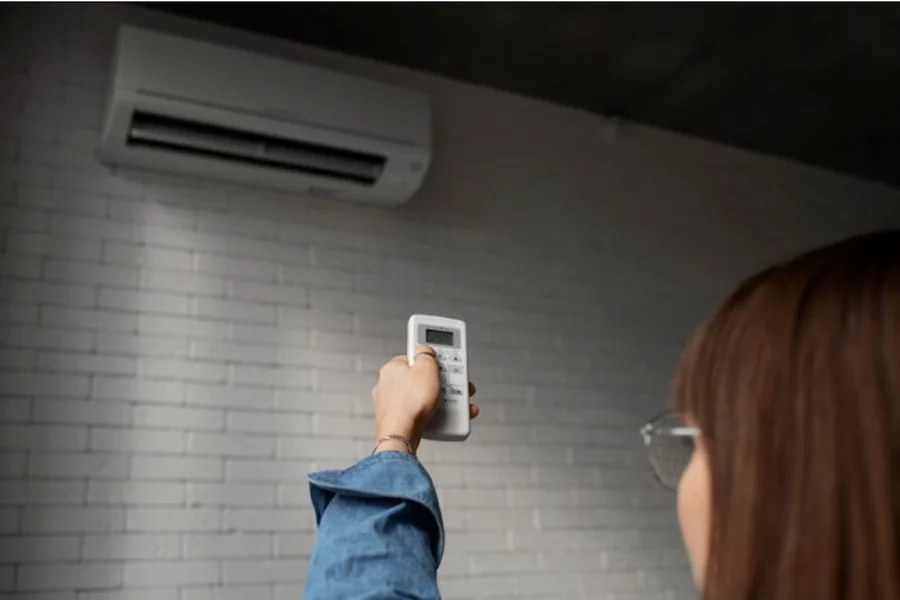
Air conditioning is an important part of staying comfortable in Singapore’s warm and humid climate. Whether you are furnishing a new flat, replacing an older unit or upgrading your home’s cooling system, choosing the right air conditioner requires more than comparing prices and brands.
An aircon that is too small for a room might struggle to maintain a comfortable temperature, while an oversized unit could cool the space quickly without managing humidity as effectively as expected. The type of system, installation requirements and expected running costs also deserve attention.
Before you buy aircon in Singapore, consider how each room is used and what the cooling system needs to handle. This will help you narrow down the available models and avoid choosing an appliance based on specifications that do not match your home.
Calculate the Cooling Capacity You Need
Room size is one of the most important factors when selecting an air conditioner. Manufacturers commonly express cooling capacity in kilowatts (kW) or British thermal units per hour (BTU/h). A higher capacity generally means the unit can remove more heat from a space within a given period.
However, floor area alone does not determine the required capacity. Ceiling height, window size, sunlight exposure, insulation and the number of people regularly using the room also affect cooling demand.
A bedroom with limited sunlight might have different requirements from a living room with large windows facing the afternoon sun. Similarly, an open-plan area connecting the living room and dining space needs a different assessment from a small enclosed bedroom.
If you are unsure which capacity is appropriate, ask an air conditioning specialist to assess the room. This is particularly useful when cooling several connected areas or installing a system in a home with unusual layouts.
Choose Between a Single-Split and Multi-Split System
Singapore homes use different air conditioning configurations depending on the number of rooms that need cooling.
A single-split system consists of one indoor unit connected to an outdoor condenser. It is generally suitable when you only need to cool one room, such as a bedroom or home office.
A multi-split system connects several indoor units to one outdoor condenser. This arrangement is useful when multiple rooms need independent temperature control without installing a separate outdoor unit for each room.
Another common option is a multi-room air conditioning system designed for residential properties. The appropriate configuration depends on the home’s layout, the number of indoor units required and the available space for outdoor equipment.
Before deciding, check whether the proposed system is compatible with your property and its installation requirements. In some developments, there are restrictions on condenser placement, piping routes and installation methods.
Consider Inverter Technology and Energy Consumption
Air conditioning can contribute significantly to household electricity consumption, particularly when units operate for several hours each day. Inverter technology is worth considering if you expect to use your aircon regularly.
An inverter compressor adjusts its operating speed according to the cooling demand instead of repeatedly switching between full power and complete shutdown. This allows the system to maintain a more consistent temperature and can reduce electricity consumption under suitable operating conditions.
When comparing models, look at the energy label and efficiency information rather than relying on the inverter feature alone. Capacity, room conditions, temperature settings and usage patterns all influence actual electricity consumption.
A higher-efficiency model might cost more initially, but lower running costs could make it worthwhile over time. Compare the purchase price with the expected frequency of use before deciding.
Check the Features That Matter in Daily Use
Air conditioners often include features designed to improve comfort and convenience. Some are useful for everyday operation, while others might not be necessary for every household.
A sleep mode, for example, adjusts cooling settings during the night to support comfortable sleeping conditions. A timer allows you to schedule operation, while Wi-Fi connectivity lets you control compatible units through a mobile application.
Air filtration features are another consideration. Some models include filters designed to capture dust and other airborne particles, although their effectiveness varies by technology and maintenance condition. These features should not be treated as a replacement for proper ventilation or regular cleaning.
Pay attention to operating noise as well. A quieter indoor unit is particularly useful in bedrooms, where compressor or fan noise from poorly designed or maintained equipment could disturb sleep.
Choose features based on how you use each room. There is little value in paying extra for advanced controls if you rarely use them.
Understand Installation Requirements in Singapore
Installation quality has a direct effect on air conditioner performance. Even a suitable model might not work properly if the piping, drainage or electrical connections are poorly installed.
Before purchasing, confirm what the installation package includes. Some packages cover standard piping lengths and basic installation work, while additional materials or more complicated arrangements might incur extra charges.
Ask about the refrigerant piping route, drainage arrangements, electrical requirements and condenser location. If the installation involves drilling, concealed piping or modifications to existing fittings, clarify the scope of work before proceeding.
For HDB flats, check the applicable air conditioning installation guidelines and whether the proposed work needs to follow any building management requirements. Private residential developments might have their own rules concerning outdoor units and renovation work.
Use an appropriately qualified installation professional and request a clear quotation. A low advertised price is less useful if essential installation work is excluded.

Plan for Regular Servicing and Maintenance
Singapore’s humid environment makes routine air conditioner maintenance important. Filters collect dust during normal operation, while drainage components and other parts need attention to keep the system working properly.
Cleaning the filters according to the manufacturer’s instructions helps maintain airflow. The indoor unit, drainage system and outdoor condenser should also be checked periodically.
Servicing frequency depends on usage, the condition of the system and the surrounding environment. A unit operating every day might need attention more frequently than one used occasionally.
Ask the retailer or installer what maintenance services are available and whether they offer servicing packages. Keep the warranty information and installation records so you know which parts and services are covered.
Compare Prices, Warranty and After-Sales Support
The cheapest air conditioner is not necessarily the most economical choice. Compare the total cost of the equipment, installation, expected electricity use and future maintenance.
Check the warranty terms for the indoor unit, outdoor condenser and compressor. Coverage periods and conditions vary between manufacturers, and some warranties require installation or servicing by approved professionals.
After-sales support is also worth considering. Find out how to request repairs, whether replacement parts are readily available and how the retailer handles warranty claims.
A reliable supplier should explain the specifications and installation scope clearly. If a quotation does not identify the equipment model or included work, ask for clarification before making payment.
Final Thoughts
Buying an air conditioner in Singapore requires a balance between cooling capacity, energy efficiency, installation requirements and long-term maintenance. The right model should suit the room rather than simply offer the highest specifications or the lowest advertised price.
Measure your space, compare suitable systems and confirm the full installation cost before making a decision. Taking these steps will help you choose an air conditioning setup that provides reliable comfort for your household.






Leave a Reply