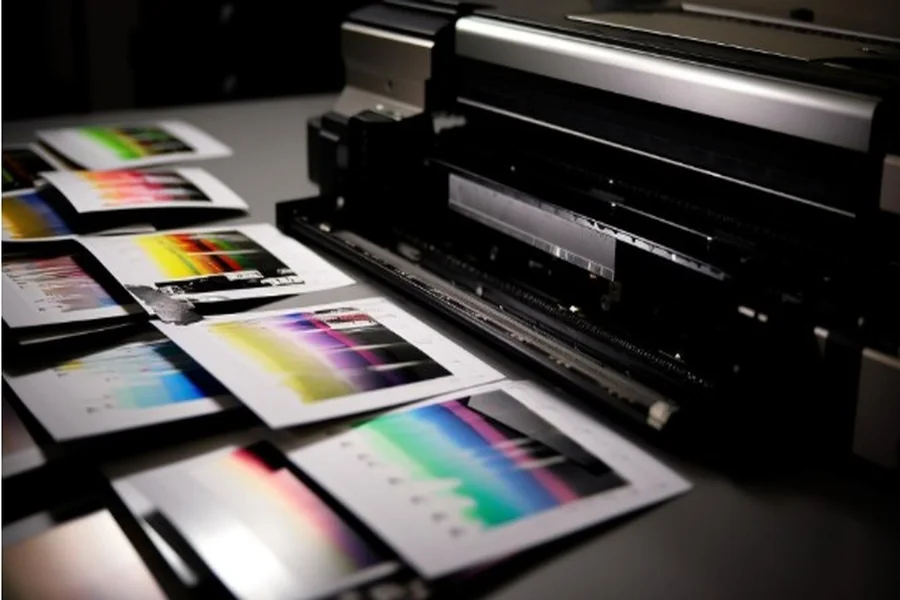
Stickers serve many purposes in business, retail and everyday life. They appear on product packaging, takeaway containers, promotional materials, gift boxes and branded merchandise. For businesses, a well-designed sticker offers a practical way to display important information while keeping packaging visually consistent.
Sticker printing services in Singapore cater to a wide range of requirements, from small batches for home-based businesses to larger orders for established brands. However, choosing the right sticker involves more than selecting a design and printing quantity. Material, adhesive strength, shape, finish and intended use all influence how well the final product performs.
Understanding these details helps you avoid common printing problems and order stickers that suit their purpose.
Identify What the Stickers Need to Do
Start by deciding how the stickers will be used. Product labels, promotional stickers and decorative designs have different requirements.
Product labels often need to display information such as a brand name, product description, ingredients, barcode or other details. They should remain readable and attach securely to the packaging. For food, cosmetics and other regulated products, businesses should also check the relevant labelling requirements before finalising the design.
Promotional stickers have a different purpose. They might feature a logo, campaign message or graphic intended to attract attention. These are often distributed at events, included in customer orders or used as part of a marketing campaign.
Decorative stickers are commonly used for gift packaging, personal items and creative projects. Their appearance might take priority over technical information, although material quality and adhesive performance still matter.
Being clear about the intended use helps the printing company recommend suitable specifications.
Choose a Suitable Sticker Material
Sticker materials affect appearance, durability and cost. Paper stickers are often used for indoor applications, product labels and packaging where exposure to moisture is limited. They can provide a natural finish and are available in different textures and coatings.
Synthetic materials, including certain plastic-based films, are often preferred when stickers need greater resistance to moisture or handling. They are commonly used for bottles, containers and products that might be exposed to damp conditions. However, performance depends on the exact material and adhesive combination.
Transparent stickers offer a different visual effect because parts of the packaging remain visible through the label. They are useful when a business wants a cleaner appearance without a solid background. The design needs careful preparation, as light-coloured text and graphics might be difficult to see against some surfaces.
If you are unsure which material to select, explain where the stickers will be applied and how the products will be stored or handled. A printer should be able to suggest options based on those conditions.
Consider Adhesive Strength and Surface Compatibility
A sticker needs to stay attached to its intended surface. The right adhesive depends on the material being labelled, the shape of the packaging and the conditions it will encounter.
Smooth surfaces such as glass and certain plastics are generally easier to label than rough, textured or curved surfaces. Some packaging materials also have coatings or finishes that affect adhesion. A sticker that works well on a cardboard box might not perform as expected on a plastic bottle.
Temperature and moisture can also influence adhesive performance. Products stored in refrigerated environments, for example, might require labels designed for colder conditions. Ordinary adhesives should not be assumed to work in every environment.
For important applications, ask the printing provider whether it can supply samples for testing. Applying a sample to the actual packaging helps reveal issues before a large order is produced.
Select the Right Shape and Size
Sticker dimensions should match the packaging or surface where they will be placed. A label that is too large might cover important product details, while one that is too small could make text difficult to read.
Common shapes include circles, squares, rectangles and ovals. Custom die-cut stickers allow businesses to follow the outline of a logo, illustration or other design. This can create a distinctive appearance, although more complex shapes might affect production costs.
Leave enough space around important text and graphics so the design does not appear crowded. If the sticker will be applied by hand, consider whether its size and shape make it easy to position consistently.
For packaging labels, check the available space and account for curves, seams and folds. A flat design might not sit properly on a rounded container if the dimensions are not planned carefully.
Choose a Finish That Matches the Design
The finish influences how a sticker looks and how it handles everyday use. Gloss finishes produce a reflective surface that can make colours appear more vibrant. Matte finishes have a softer appearance and reduce glare, which can help with readability in certain settings.
Other options include textured finishes and protective coatings. The suitability of each option depends on the sticker material, artwork and intended environment.
A finish should support the design rather than distract from it. For example, a simple product label might benefit from a clean matte surface, while a colourful promotional sticker might suit a gloss finish.
Ask the printer for samples if the finish is an important part of the branding. Seeing and touching the material provides a better idea of the final result than viewing a digital preview alone.
Prepare Artwork for Sticker Printing
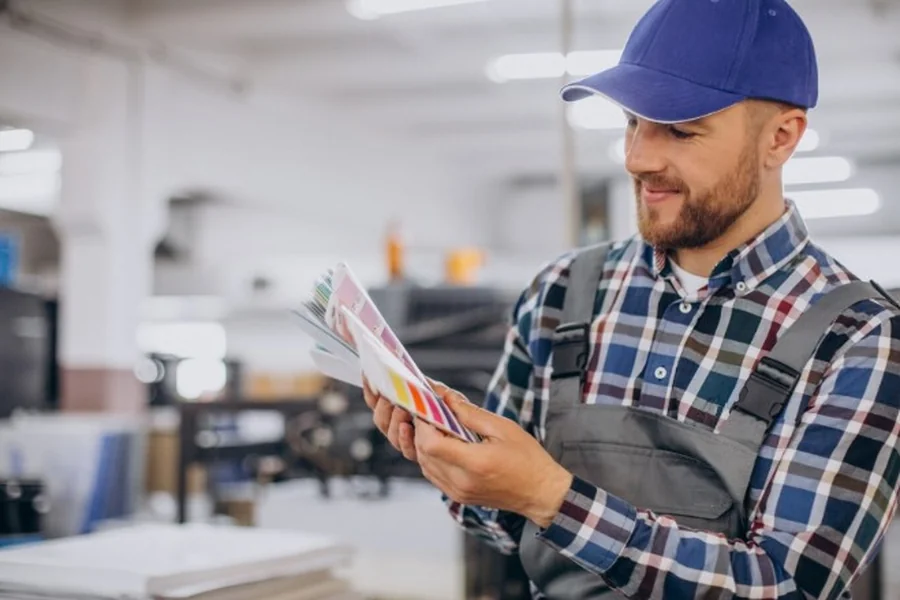
Artwork preparation has a direct effect on the finished sticker. Check that the design matches the required dimensions and includes sufficient image resolution. Low-resolution graphics might appear acceptable on a small screen but become blurred when printed.
For custom-shaped stickers, the printing company might require a separate cut line showing where the material should be trimmed. Ask for the correct file setup before submitting the artwork.
Text should remain readable at the final size. Small product details, contact information and ingredients need particular attention. If the sticker includes a barcode or QR code, ensure it is large enough and has sufficient contrast to scan reliably.
Review spelling, product information and brand details before approving the proof. Changes made after production begins can lead to additional costs or delays.
Order the Right Quantity
Sticker printing companies often offer different pricing structures based on order quantity. Larger orders might reduce the cost per sticker, but ordering more than you need can create unnecessary storage and waste.
For a new product or design, a smaller batch can be useful for testing the material, adhesive and overall appearance. Once the design has been confirmed, a larger order might make more sense for regular packaging requirements.
Consider how frequently the design changes. Promotional stickers linked to a short campaign should not be ordered in excessive quantities, while a permanent logo sticker might justify a longer production run.
Request a quotation that includes material, dimensions, printing, finishing, cutting and delivery. Comparing the full specifications makes it easier to assess whether the price represents good value.
Final Thoughts
Sticker printing services offer businesses a flexible way to label products, improve packaging and promote their brand. The best results come from choosing materials, adhesives and finishes that suit the actual application rather than focusing on appearance alone.
Before placing an order in Singapore, confirm the sticker dimensions, surface compatibility, artwork requirements and production timeline. Testing a sample is especially useful when the stickers need to withstand moisture, refrigeration or frequent handling. With the right preparation, printed stickers can serve both practical and branding purposes.







Leave a Reply