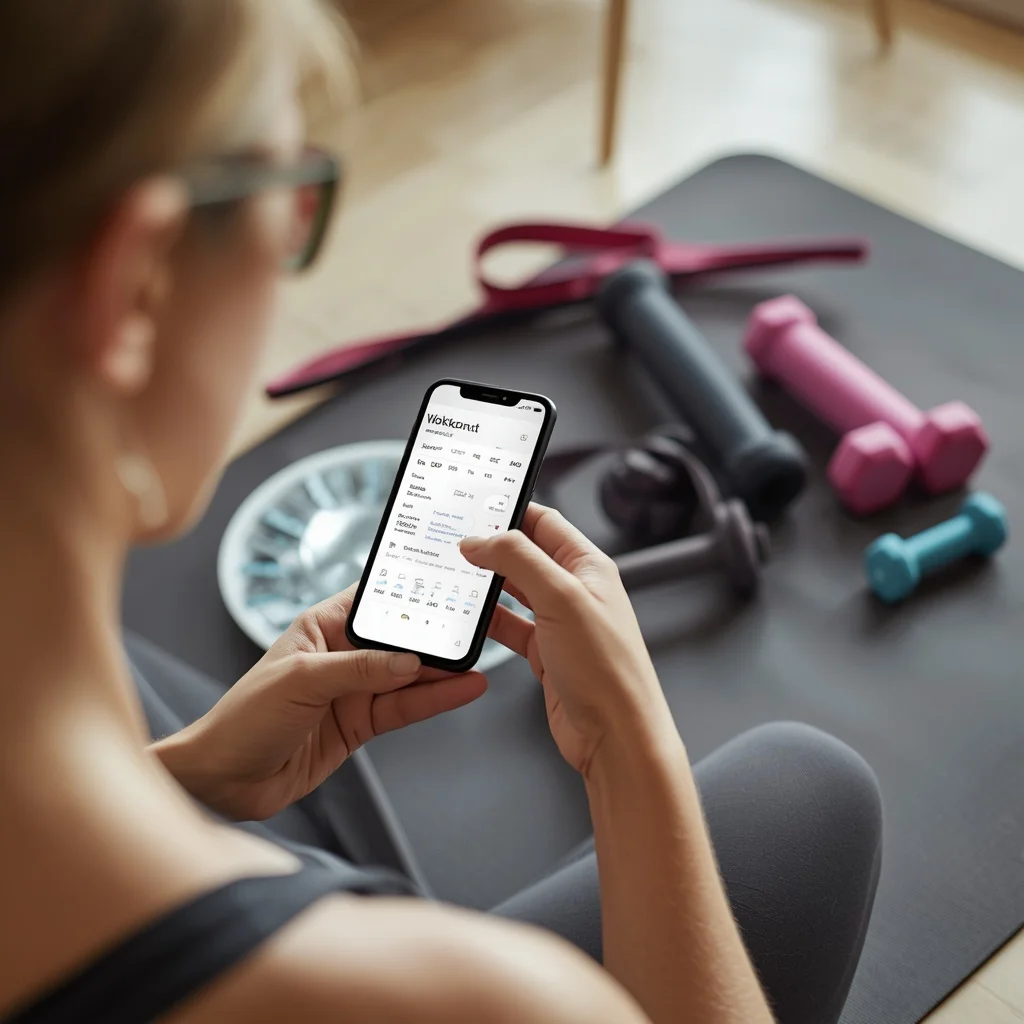
Fitness apps have made it easier to exercise without depending entirely on a gym, personal trainer, or fixed workout schedule. For women with busy routines, a good workout app can provide structured exercises, progress tracking, reminders, and guidance directly from a smartphone.
The best fitness and workout apps for women are not necessarily the ones with the largest number of exercises. A useful app should match your fitness level, goals, available equipment, schedule, and preferred workout style.
Some apps focus on general fitness, while others specialize in strength training, running, yoga, mobility, or home workouts.
What Should a Fitness App for Women Include?
A good fitness app should make workouts easier to understand and follow.
Useful features can include:
- Structured workout plans
- Exercise demonstrations
- Beginner-friendly instructions
- Progress tracking
- Workout timers
- Goal setting
- Training history
- Exercise modifications
- Equipment-based workouts
- Bodyweight exercises
- Rest-day planning
- Notifications and reminders
Not every user needs every feature. Someone starting exercise for the first time may prefer simplicity, while an experienced gym user may want detailed training statistics.
Best Types of Workout Apps for Women
There is no single type of fitness application that works for everyone.
The right category depends on your main goal.
General Fitness Apps
General fitness apps combine different forms of exercise.
They may offer:
- Cardio
- Strength workouts
- Mobility
- Stretching
- Core exercises
- Conditioning
- Recovery sessions
These apps can be useful if you want variety rather than following one specific training style.
Strength Training Apps
Strength-focused apps are designed around resistance exercises and progressive training.
They can help users organize workouts involving:
- Dumbbells
- Resistance bands
- Barbells
- Weight machines
- Kettlebells
- Bodyweight exercises
For a deeper look at apps specifically designed around strength training, a dedicated strength training apps for women guide can be used as a separate resource.
Home Workout Apps
Home workout applications are useful when you do not have regular access to a gym.
Many provide bodyweight exercises and short routines that can be performed with limited equipment.
A separate guide to free workout apps for women at home can focus specifically on no-cost home exercise options.
Workout Apps for Beginners
Starting a fitness routine can be difficult when you do not know which exercises to perform or how many repetitions to complete.
A beginner-friendly app should therefore provide clear instructions rather than assuming that the user already understands gym terminology.
Look for:
- Demonstration videos
- Beginner programs
- Lower-intensity options
- Rest periods
- Exercise substitutions
- Simple workout schedules
- Progression guidance
A good beginner program should also allow you to start gradually.
Doing more exercise is not always better, especially when your body is not accustomed to regular training.
Fitness Apps for Busy Schedules
One advantage of workout apps is flexibility.
A structured gym program may require a specific amount of time, while an app can offer different session lengths.
For example, an application may provide short workouts for busy days and longer sessions when you have more time.
Useful features include:
- 10-minute workouts
- 20-minute workouts
- 30-minute sessions
- Full-length workouts
- Custom schedules
- Reminder notifications
The best workout routine is one that can realistically fit into your schedule.
Workout Apps for Weight Management
Some fitness applications include exercise programs designed around general weight-management goals.
These may combine:
- Cardio
- Resistance training
- Walking
- Mobility
- Workout tracking
- Activity tracking
However, an app should not be viewed as a guaranteed weight-loss solution.
Changes in body weight are influenced by many factors, including food intake, activity level, sleep, genetics, and overall lifestyle.
A fitness app can help organize exercise, but it cannot guarantee a particular physical result.
Cardio Workout Apps
Cardio-focused applications can be useful for women who enjoy activities such as:
- Walking
- Running
- Cycling
- Indoor cardio
- Dance workouts
- Interval training
Some apps can track distance, duration, pace, heart-rate information, or activity history when compatible devices are connected.
If you prefer outdoor exercise, GPS tracking can make a fitness app more useful because it can record routes and distances.
Yoga and Mobility Apps
Not every workout needs to be intense.
Yoga and mobility applications can provide guided sessions focused on movement, flexibility, balance, and relaxation.
These apps may be useful for:
- Morning routines
- Stretching
- Mobility sessions
- Recovery days
- Beginner yoga
- Relaxation
The best option depends on whether you want exercise intensity, flexibility work, or a combination of both.
Fitness Apps With Wearable Integration
Some fitness applications can connect with smartwatches and fitness trackers.
Depending on the device and application, this may allow users to monitor information such as:
- Heart rate
- Workout duration
- Steps
- Calories
- Distance
- Activity time
- Sleep information
Wearable integration can make progress tracking more convenient because information can be collected during a workout without manually entering everything.
However, users should check what data an app collects and how it handles health and fitness information.
How to Choose the Right Fitness App
Before downloading an application, identify your main goal.
Step 1: Decide What You Want to Improve
Your goal could be:
- General fitness
- Strength
- Cardio
- Mobility
- Running
- Flexibility
- Consistency
- Activity tracking
Choosing an app based on a specific goal is easier than downloading an application simply because it is popular.
Step 2: Check Your Experience Level
A beginner may need more instruction and simpler routines.
An experienced user may prefer customization and detailed training information.
Step 3: Consider Your Equipment
Some apps assume that you have access to a full gym.
Others are designed for bodyweight workouts or limited equipment.
Check the equipment requirements before starting a program.
Step 4: Check Workout Length
Choose an app that fits your actual schedule.
A program that requires an hour every day may be difficult to maintain if you only have 20 minutes available.
Step 5: Review the Pricing Model
Some fitness apps are completely free, while others use:
- Subscriptions
- One-time purchases
- Free trials
- Premium workout plans
- In-app purchases
Check exactly which features are included before subscribing.
Free vs Paid Fitness Apps
A free app can provide enough functionality for someone who wants basic workout guidance.
Free applications may include exercise libraries, timers, simple programs, or limited tracking.
Paid applications may provide additional features such as:
- Personalized plans
- Larger exercise libraries
- Advanced progress tracking
- Coach-led programs
- Detailed analytics
- Nutrition-related features
- Wearable integration
The price alone does not determine whether an application is useful.
A simple free app may be enough for someone who already knows how to exercise, while a beginner may value guided programs more.
Are Fitness Apps Suitable for Beginners?
Many fitness apps can be useful for beginners, especially when they provide clear exercise demonstrations and gradual programs.
However, beginners should avoid immediately copying advanced workouts.
Start with exercises that match your current ability and pay attention to proper technique.
If an exercise causes unusual pain, stop and seek appropriate professional guidance.
People with medical conditions, injuries, pregnancy-related concerns, or other health considerations should discuss exercise plans with a qualified healthcare professional when appropriate.
Tracking Progress With a Fitness App
Progress tracking can make it easier to stay consistent.
Depending on the application, you may be able to record:
- Completed workouts
- Repetitions
- Sets
- Weight used
- Workout duration
- Running distance
- Personal records
- Activity frequency
Tracking does not mean that every workout needs to become a competition.
For many people, simply maintaining a consistent routine is a useful form of progress.
How Often Should You Use a Workout App?
There is no universal number of workouts that applies to every woman.
Training frequency depends on:
- Fitness level
- Workout intensity
- Goals
- Recovery
- Schedule
- Type of exercise
A balanced routine can include different types of activity rather than repeating the same intense workout every day.
For example, someone might combine strength sessions with walking, mobility work, or lower-intensity activity.
Recovery is also an important part of training.
Fitness Apps and Motivation
Motivation can change from day to day.
Fitness applications attempt to improve consistency through features such as:
- Streaks
- Reminders
- Achievement badges
- Progress charts
- Workout calendars
- Notifications
- Personal goals
These features can be helpful, but they should support your routine rather than create unnecessary pressure.
A sustainable exercise habit is generally more practical than relying entirely on short-term motivation.
Privacy and Fitness Apps
Fitness applications can collect sensitive information depending on their features.
Before installing an app, check:
- What data it collects
- Location permissions
- Health-related data access
- Account requirements
- Third-party data sharing
- Advertising practices
- Privacy policy
Apple provides information about privacy and health-related data through its official resources, while Android users can review permissions through their device settings.
You should only provide permissions that are necessary for the features you actually use.
Fitness Apps for Different Goals
| Goal | App Type to Consider |
| General fitness | General workout app |
| Strength | Strength training app |
| Home exercise | Home workout app |
| Running | Running tracker |
| Cycling | Cycling tracker |
| Flexibility | Yoga or mobility app |
| Activity tracking | Fitness tracker |
| Short workouts | Quick workout app |
| Gym training | Gym program/tracking app |
| Beginner exercise | Guided beginner app |
This approach makes it easier to choose an application based on purpose rather than popularity.
Common Mistakes When Using Fitness Apps
Choosing an App Only Because It Is Popular
A highly downloaded app may not match your goals.
Starting an Advanced Program
Jumping directly into an intense program can make exercise unnecessarily difficult.
Ignoring Recovery
Rest and recovery are important parts of a sustainable fitness routine.
Paying Before Testing the App
If a free trial is available, explore the application’s features before committing to a subscription.
Following a Plan That Does Not Fit Your Schedule
A theoretically excellent workout program is not useful if you cannot follow it consistently.
Tracking Too Many Metrics
You do not need to monitor every available statistic.
Focus on measurements that actually help you understand your progress.
Frequently Asked Questions
What is the best fitness app for women?
The right fitness app depends on your goals, experience, available equipment, schedule, and preferred workout style. General fitness apps are useful for variety, while specialized apps may be better for strength, running, yoga, or home workouts.
Are workout apps good for beginners?
Many workout apps provide beginner-friendly programs and exercise demonstrations. Start at an appropriate level and progress gradually rather than immediately following advanced routines.
Are fitness apps free?
Some are free, while others use subscriptions or in-app purchases. Always check which features are available without payment.
Can fitness apps help with weight loss?
They can help organize and track physical activity, but they cannot guarantee weight loss. Body-weight changes depend on multiple lifestyle and individual factors.
Can I use a fitness app without going to a gym?
Yes. Many applications provide bodyweight workouts or routines designed for limited equipment.
Do fitness apps work with smartwatches?
Many fitness applications support wearable integration, although the available features depend on the specific app, smartwatch, and operating system.
Final Thoughts
The best fitness and workout apps for women are those that fit a user’s actual goals and lifestyle.
A beginner may benefit from guided workouts and simple progress tracking. Someone focused on strength may need a dedicated training application, while a runner or cyclist may prefer GPS-based activity tracking.
Before choosing an app, consider your fitness goal, experience level, available equipment, workout time, pricing, and privacy settings.
Most importantly, choose a routine that you can follow consistently. A practical workout plan that fits your lifestyle is more useful than an advanced program that is difficult to maintain.









Leave a Reply