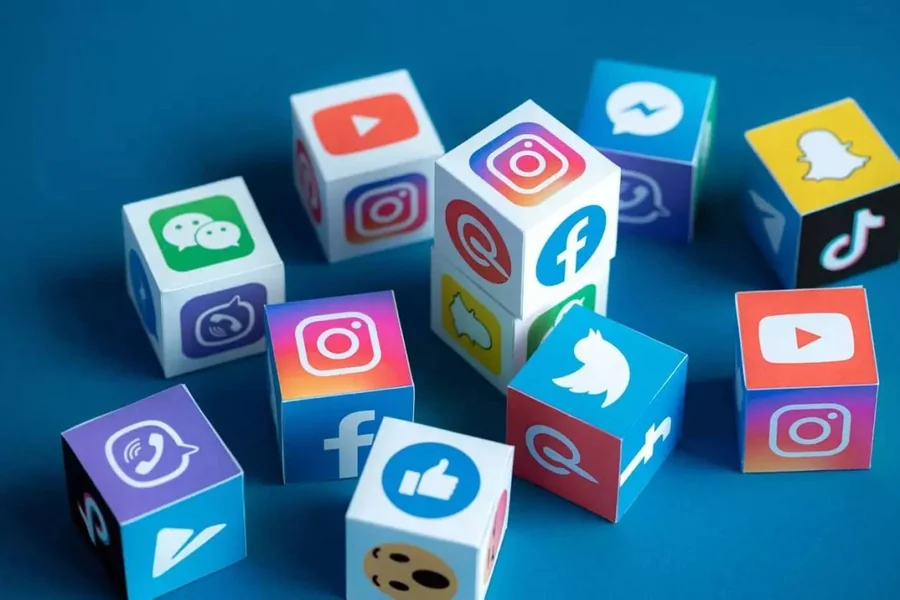
Communication has changed significantly over the past few decades. In the past people relied heavily on face-to-face conversations and telephone calls to stay connected. Sending letters and waiting for replies was also a common way to communicate with friends and family. Today social media platforms have made communication faster and more accessible than ever before.
People can now share messages and photos within seconds. They can participate in video calls and discuss important topics with people living thousands of miles away. Platforms such as Facebook and Instagram have become part of everyday life for millions of users. TikTok and YouTube also allow people to communicate through short videos and creative content.
Social media has changed more than the speed of communication. It has influenced how people express emotions and maintain relationships. It has also transformed the way businesses interact with customers and how information spreads across communities.
Although these platforms offer many advantages they also create challenges. Online misunderstandings and misinformation can affect personal relationships. Excessive social media use may reduce meaningful face-to-face interactions.
Understanding these changes is important because digital communication continues to shape modern society. This article explains how social media influences modern communication and examines its benefits and challenges in everyday life.
1. The Evolution of Communication Through Social Media
Communication has developed alongside technological progress. Before the internet became widely available people depended on traditional methods such as letters and landline telephones. These methods were useful but often required more time and effort.
The introduction of email and instant messaging changed how people exchanged information. Online communication became faster and more convenient. Social media took this development further by combining messaging with content sharing and online communities.
Early social networking platforms allowed users to create profiles and connect with friends. Over time these platforms introduced features such as photos and videos alongside public discussions and live broadcasts.
Today social media supports several communication styles. People can send private messages or publish public updates. They can share voice recordings and participate in group conversations.
This evolution has made communication more flexible. A person can share an important announcement with hundreds of people without contacting each individual separately.
Social media has also reduced geographical barriers. Families living in different countries can communicate regularly. Students can connect with classmates and professionals can build relationships with colleagues around the world.
Modern communication is no longer limited by traditional schedules or physical distance. People can exchange information whenever an internet connection is available.
2. Social Media Makes Communication Faster and More Convenient
One of the biggest advantages of social media is the speed at which people can communicate. Messages that once required several hours or days can now reach someone almost instantly.
This convenience is especially valuable for people with busy schedules. Friends can arrange meetings through group chats while families can share important updates throughout the day.
Businesses also benefit from faster communication. Companies can respond to customer questions and provide updates about products or services through social media accounts.
For example an online retailer can inform customers about a new product launch through a single post. Interested customers can ask questions directly and receive responses without visiting a physical store.
Social media also makes communication more accessible during emergencies. Organizations can share important announcements and safety information quickly.
However faster communication does not always mean better communication. People sometimes send messages without thinking carefully about their words. This can create confusion or unnecessary conflict.
The most effective approach is to use the speed of social media while maintaining clear and respectful communication.
3. Social Media Connects People Across Different Countries
Social media has made the world feel more connected. People can build relationships with individuals from different countries and cultural backgrounds without traveling.
This global connectivity allows users to exchange ideas and learn about different lifestyles. Someone living in Bangladesh can communicate with a student in Canada or a business owner in the United States through social networking platforms.
These connections can create valuable personal and professional opportunities.
Families living abroad can stay connected with their relatives through video calls and shared photographs. International students can maintain friendships with people from their home countries while developing new relationships.
Social media also helps people find communities based on shared interests. Users can join groups focused on education and technology or hobbies. These communities allow individuals to exchange advice and support one another.
Language learning is another area that benefits from global communication. People can practice foreign languages with native speakers through online conversations.
Cultural exchange also becomes easier. Users can learn about traditional food and celebrations from different parts of the world.
However online relationships require awareness. Not everyone on social media has genuine intentions. Users should avoid sharing sensitive personal information with strangers.
When used responsibly social media can create meaningful connections that extend beyond geographical boundaries.
4. The Role of Social Media in Personal Relationships
Personal relationships have changed significantly because of social media. Friends and family members can now stay connected even when they live far apart.
Sharing photographs and daily updates helps people remain involved in each other’s lives. Birthday wishes and special announcements can also be shared instantly.
Social media can be especially helpful for maintaining long-distance relationships. Couples and family members can communicate through private messages and video calls. These interactions help them share experiences despite physical separation.
Another benefit is the ability to reconnect with old friends. People can search for former classmates and colleagues and rebuild relationships that may have faded over time.
However social media can also create challenges in personal relationships.
Some people become overly focused on online interactions. They may spend more time looking at their phones than talking with people around them.
Misunderstandings can also happen because written messages do not always communicate emotions clearly. A short reply may be interpreted as rude even when the sender did not intend to offend anyone.
Comparing personal relationships with carefully selected online posts can also create unrealistic expectations.
Maintaining healthy relationships requires balance. People should use social media to support real connections rather than replace meaningful conversations.
5. Social Media Changes How Businesses Communicate With Customers
Businesses have experienced major changes in customer communication because of social media. Traditional marketing often depended on television and newspaper advertisements. Companies also used telephone calls and physical customer service offices.
Today social media provides direct communication between businesses and customers.
Platforms such as Instagram and Facebook allow companies to introduce products and answer questions. Customers can also share their experiences through comments and reviews.
This creates a more interactive relationship. Instead of simply receiving advertisements people can communicate with brands and express their opinions.
Small businesses benefit particularly from these opportunities. A local clothing store can promote new products without spending a large amount on traditional advertising.
Social media also helps companies understand customer preferences. Comments and messages can reveal what buyers appreciate and which areas need improvement.
Businesses can use these insights to improve their products and services.
Another important development is influencer marketing. Companies work with content creators who introduce products to their followers. This approach can help brands reach audiences that may not respond to traditional advertisements.
However businesses must communicate honestly. Misleading promotions and poor customer service can damage a company’s reputation quickly.
A strong social media presence requires consistent communication and genuine attention to customer needs.
6. Social Media Influences News and Information Sharing
Social media has transformed how people receive news and information. In the past many people depended on newspapers and television broadcasts for daily updates.
Today users can access news through social networking platforms within minutes of an event happening.
News organizations share headlines and videos through their official accounts. Journalists can also communicate directly with audiences and provide updates from different locations.
This makes information more accessible. People can follow international events and learn about important developments without waiting for traditional news programs.
Social media also gives ordinary users the opportunity to share information. During major events eyewitnesses may publish photographs or videos that help others understand what is happening.
However this convenience creates serious challenges.
False information can spread quickly when users share posts without checking their accuracy. Edited images and misleading headlines may create confusion.
Some people also mistake personal opinions for verified news.
To avoid these problems users should check the original source and compare information with reliable news organizations. Important claims should be verified before sharing.
Social media can be a useful information resource but responsible users must understand the difference between verified reporting and unconfirmed content.
7. The Impact of Social Media on Education and Learning
Education has become more interactive through social media. Students and teachers can communicate outside traditional classrooms and share useful learning materials.
Educational groups allow students to ask questions and exchange information. Teachers can publish announcements and provide additional resources through online platforms.
YouTube is particularly useful for learning because it offers educational videos on many subjects. Students can watch lessons about mathematics and science or language learning at their own pace.
Social media also creates opportunities for collaboration. Students from different countries can participate in discussions and exchange ideas about academic topics.
Professional communities allow people to connect with experienced individuals in their fields. These connections can help students understand career opportunities and develop practical knowledge.
However social media can also become a distraction.
Students may spend too much time watching entertainment videos or checking notifications instead of completing their assignments.
Not all online educational content is accurate. Some sources provide incomplete or misleading explanations.
Teachers and students should therefore focus on reliable learning materials. Setting specific study times can also help maintain concentration.
When used carefully social media can support education and make learning more accessible to people from different backgrounds.
8. The Influence of Social Media on Language and Communication Styles
Social media has changed the way people write and express themselves. Online conversations often use shorter sentences and informal language.
Abbreviations and emojis have become common parts of digital communication. People use them to express emotions and reactions quickly.
For example a simple emoji can communicate happiness or excitement without requiring a long explanation. GIFs and short videos can also express reactions that might be difficult to describe through words.
These communication styles make online conversations more personal and entertaining.
Social media has also introduced new expressions and trends. Words that become popular on one platform may quickly spread to other online communities.
However informal communication is not always appropriate.
Professional emails and academic writing usually require clear grammar and a more formal tone. Using excessive abbreviations in these situations may create a negative impression.
Another challenge involves interpreting messages across different cultures. An expression that seems friendly in one community may have a different meaning elsewhere.
People should consider their audience before choosing how to communicate.
Understanding when to use informal language and when to communicate professionally is an important skill in modern digital life.
9. Privacy Concerns and Communication Challenges on Social Media
Although social media offers many communication benefits it also creates privacy and security concerns.
People often share personal information without considering who may access it. Photographs and location updates can reveal details about daily routines.
Some platforms collect user information to improve their services and personalize advertisements. Users should understand privacy settings and review the permissions they provide.
Cyberbullying is another serious issue. Online users may receive insulting messages or experience harassment through public comments and private chats.
These experiences can affect confidence and emotional well-being.
Misinformation and fake accounts create additional problems. Some individuals use false identities to deceive others or spread harmful content.
Users can reduce these risks by following basic safety practices:
- Use strong and unique passwords.
- Enable two-factor authentication.
- Avoid sharing sensitive personal details publicly.
- Review account privacy settings regularly.
- Do not open suspicious links.
- Block and report abusive accounts.
- Verify information before sharing it.
Parents should also guide younger users about responsible online behavior.
Social media companies have a responsibility to improve safety and provide effective reporting systems. However individual users must also take steps to protect their accounts and personal information.
10. The Effects of Social Media on Mental Health and Daily Life
Social media influences more than communication habits. It can also affect how people feel and manage their everyday activities.
Positive online interactions can provide emotional support. People dealing with difficult situations may find communities where they can share experiences and receive encouragement.
Social media can also help individuals express creativity and build confidence by sharing their interests and achievements.
However excessive use may create problems.
Some users spend hours comparing their lives with the carefully selected images they see online. This can create unrealistic expectations about appearance and success.
Constant notifications may also interrupt work and study. Spending too much time online can reduce opportunities for exercise and face-to-face social activities.
Another concern is the pressure to receive likes and comments. Some people begin measuring their personal value through online reactions.
Developing healthy digital habits can reduce these challenges.
Useful habits include:
- Setting daily screen-time limits.
- Taking regular breaks from social media.
- Avoiding phones during important conversations.
- Following positive and informative accounts.
- Turning off unnecessary notifications.
- Making time for offline activities.
Social media should support everyday life rather than control it.
11. The Future of Social Media and Modern Communication
Social media continues to develop as technology changes. New features and communication tools are making online interactions more flexible and personalized.
Artificial intelligence is already influencing how people communicate online. AI-powered tools can help users translate messages and create content. They can also improve accessibility through automatic captions and language support.
Video communication is another growing area. Short videos and live streaming allow individuals and businesses to share information in engaging ways.
Augmented reality and virtual reality may also create new communication experiences. These technologies could make online meetings and social interactions feel more immersive.
Privacy and digital security will remain important concerns as platforms introduce new features.
Users will need better control over their personal information. Social media companies will also need to improve transparency and address harmful online behavior.
Digital literacy will become increasingly valuable. People must learn how to identify reliable information and communicate respectfully across different platforms.
The future of social media will depend on how technology companies and users balance convenience with responsibility.
As digital platforms become more advanced the basic purpose of communication will remain the same. People will continue using technology to share ideas and build relationships.
Final Thought
Social media has transformed modern communication by making it faster and more accessible. It connects people across countries and helps businesses communicate with customers. It also supports education and allows information to reach large audiences within seconds.
However these advantages come with challenges. Privacy concerns and misinformation can affect how people interact online. Excessive use may also reduce meaningful face-to-face communication.
The key is to use social media responsibly. People should think carefully before sharing information and respect different opinions. They should also protect their personal details and maintain a healthy balance between online and offline activities.
Social media is a powerful communication tool when used with care. It cannot replace every form of human interaction but it can strengthen relationships and create valuable opportunities. By developing healthy digital habits people can enjoy its benefits while reducing its disadvantages.




Leave a Reply