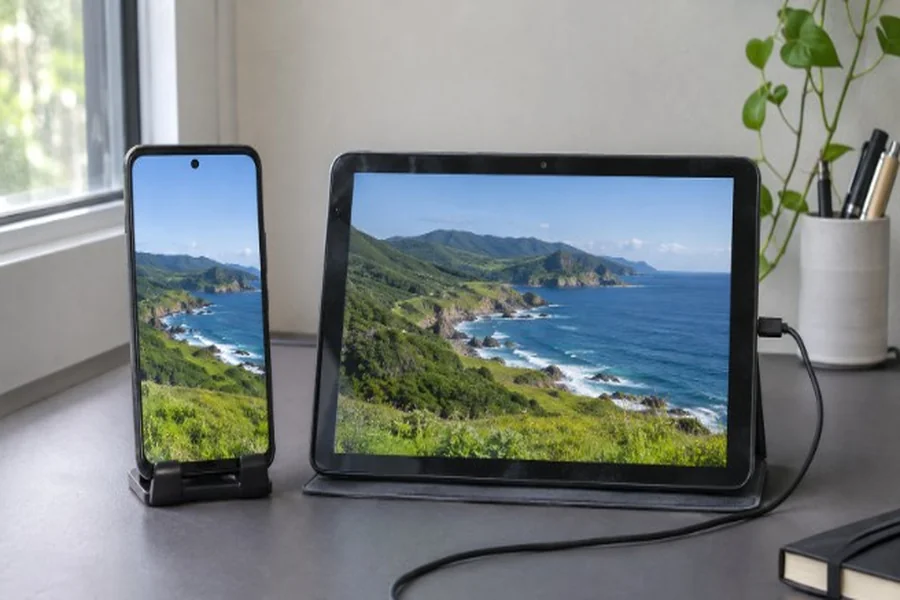
Choosing an Android streaming app involves more than finding a familiar name or an appealing screenshot. An app needs to work with your device, offer understandable playback controls, and provide clear information about installation, access, and ongoing support.
The difference often becomes apparent during ordinary use. Finding a title, changing subtitle settings, or returning to an unfinished video should feel straightforward. An impressive feature list offers limited value if those everyday tasks become frustrating.
Before downloading another installer, work through the following checks. They can help you narrow down your options and avoid spending time on an app that does not suit your setup.
Start With Your Device and Viewing Habits
First, decide where you expect to watch most often. A phone used during short breaks has different requirements from a television shared by several people. Screen size, input method, and your usual internet connection all affect what matters.
Write down your device model and Android version, then compare them with the requirements provided for the specific release. Avoid assuming that a reference to “Android support” covers every phone, tablet, television, or media box.
For Portuguese-speaking users researching how to baixar youcine, checking the available device and installation guidance is a useful starting point. Establish which instructions apply to your equipment before proceeding, rather than following a tutorial intended for a different device.
Also consider your priorities. Someone who relies on subtitles may value readable text and accessible language settings more than a heavily personalized home screen.
Understand the Installation Source
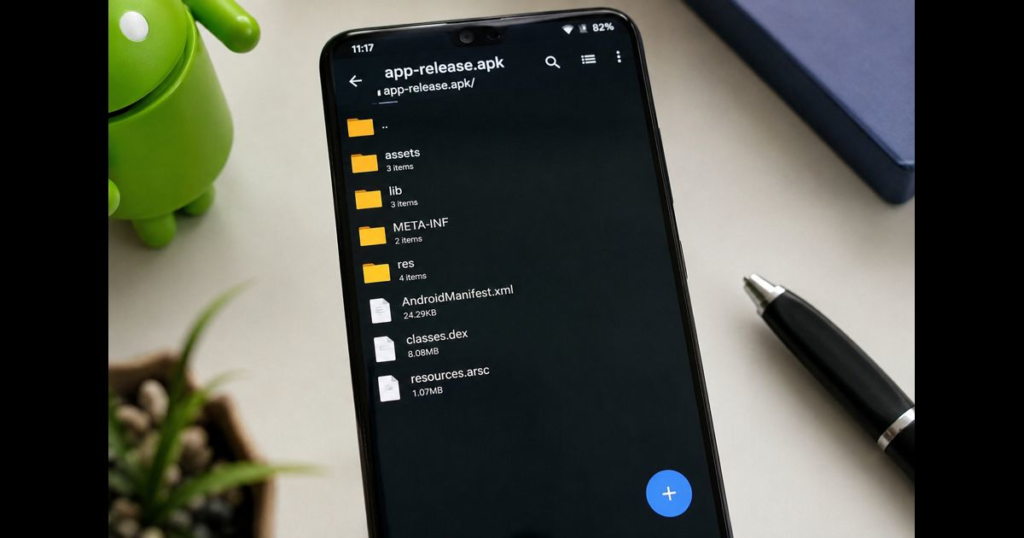
A download button is only one part of the installation process. Before using it, look for information identifying the publisher, the app version, and the source distributing the file.
Prefer an established app-store listing or a distribution channel that you can verify with the developer. A professional-looking page, a familiar icon, or the word “official” alone does not establish the identity of a file.
If the instructions ask you to disable security protections or install unrelated software first, pause and investigate. Keep Android’s available app protections enabled and take warnings seriously.
It is also worth checking the file description before opening it. If the download requires additional components or a particular installation method, those requirements should be explained clearly. Repeatedly trying unidentified installers is a poor substitute for understanding what you downloaded.
Test the Player With a Short Viewing Session
Once you have established that an app is appropriate to install, evaluate it with a short session rather than committing immediately to a full film.
Start with basic controls. Can you pause, resume, move backward, and leave the player without losing your place? Check whether playback controls remain easy to find after the on-screen buttons disappear.
Next, examine the settings that matter to you. Look for available audio languages, subtitle options, and video-quality controls. A feature mentioned on a website may depend on the particular title, device, or account.
Pay attention to how clearly the app handles problems. A useful error message should help you understand what happened. Repeated loading screens without explanation make it harder to distinguish a connection issue from a service problem.
Look Beyond the Size of the Catalog
A large advertised catalog does not necessarily make an app easier to use. Search quality, sensible categories, and accurate title information are often more helpful than a long list of thumbnails.
When reviewing an option such as Cinegato, consider whether the information presented answers your practical questions about browsing and viewing. Check the details relevant to your interests instead of treating general promotional claims as confirmation.
Try searching for a specific title and browsing a category without using search. These are different tasks, and an interface may handle one better than the other.
Also check whether the service explains its content availability and distribution rights. Being able to find a title in an app does not, by itself, establish that the provider is authorized to offer it.
Check TV Navigation Separately
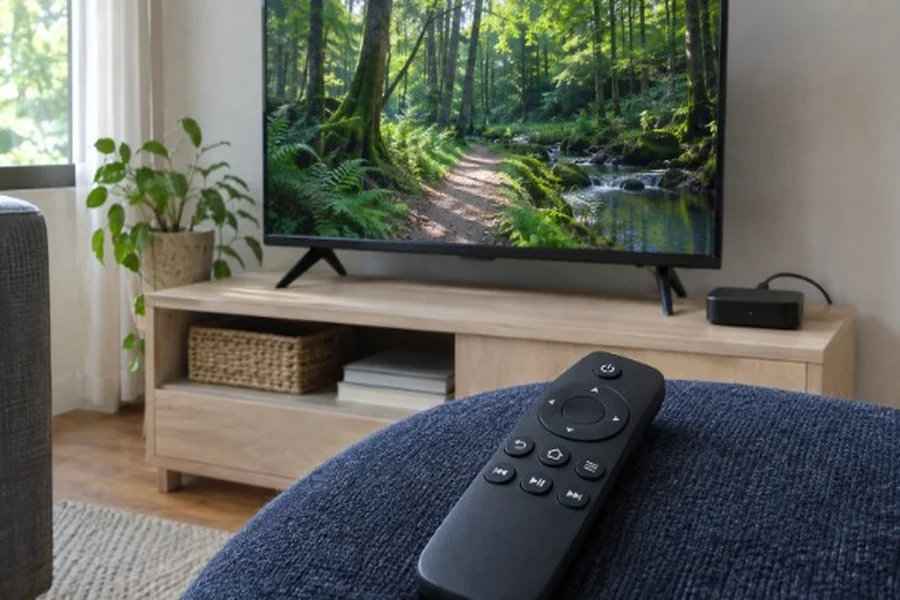
An interface that works well with a touchscreen may be awkward with a remote control. If television viewing is important, give it a separate evaluation.
Check whether the selected button is clearly highlighted as you move around the screen. You should be able to reach search, categories, playback settings, and the back button without guessing where the selection has gone.
Text size matters too. A description that looks readable on a phone held nearby may be difficult to read from a sofa. Subtitles and menus should remain understandable at your normal viewing distance.
Confirm the supported connection method as well. A native television app, screen mirroring, and casting are different arrangements. Do not assume that instructions for one method establish support for another.
Compare Access Conditions and Everyday Costs
“Free download” does not explain the full cost of using an app. Installation, account access, individual titles, and optional features may have different conditions.
Before entering payment details, look for a clear explanation of any subscription, trial period, renewal, or cancellation process. If advertising supports access, consider whether its frequency and placement fit your expectations.
Think about household use rather than the headline price alone. A service may suit one person but become inconvenient if others need separate profiles, different languages, or access on another device.
Compare these conditions with services you already use. The most practical choice may be an existing subscription or a single rental rather than another account that adds little to your viewing routine.
Review Permissions and Update Support
Permissions should make sense for the function you are using. If an app requests access to personal information without a clear explanation, review the request before agreeing.
Read the privacy information and check whether the publisher provides a usable support channel. These details become especially relevant when you need help with an account, a payment, or a change in device compatibility.
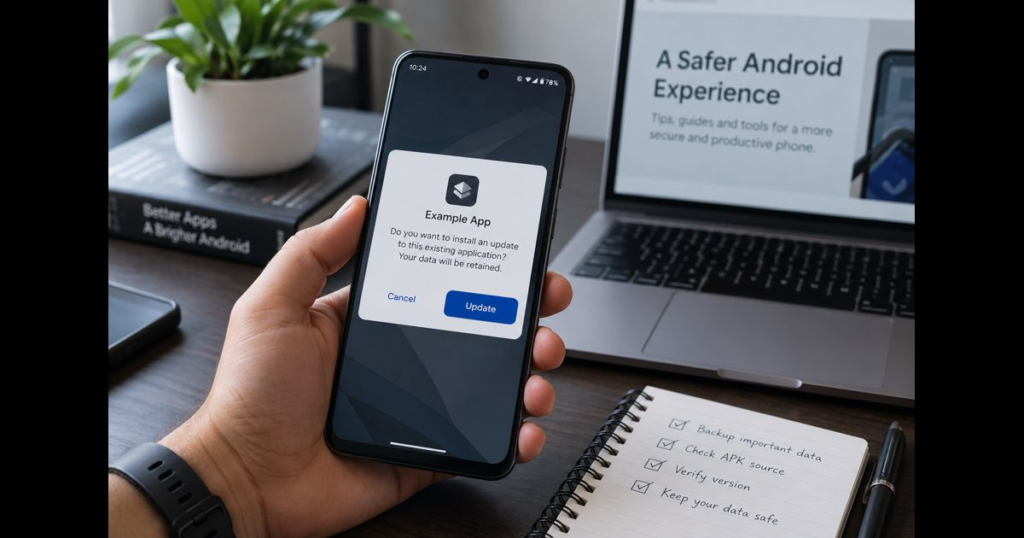
Update information is another useful signal. Look for release notes that describe changes rather than simply repeating “latest version.” Before an update, check whether the instructions explain how existing settings or locally stored information will be handled.
Avoid uninstalling an app as your first response to every problem. Establish whether you have information worth preserving and whether the developer provides a supported recovery or backup method.
Make the Decision Around Your Routine
After testing, return to a few straightforward questions. Does the app work on the device you actually use? Can you find content and control playback comfortably? Are the costs and access conditions understandable?
Choose according to those answers rather than the number of features advertised. A clear interface, suitable device support, and predictable everyday operation are useful foundations for a better viewing experience.
Taking a little time before installation can make the choice easier—and reduce the need to repeat the same search when an unsuitable app disappoints.




Leave a Reply